



“Cervical Cancer & Precancerous Lesions: The Technology used & How Technology is Revolutionizing Prevention”
The main talk points was…
Cervical cancer is one of the most preventable cancers, yet it remains a leading cause of cancer-related deaths in women worldwide. The disease does not appear suddenly—it starts as precancerous lesions, which, if left untreated, can develop into cancer over time. The key to stopping cervical cancer is early detection and treatment of these lesions, which is now more effective than ever thanks to medical advancements.
❓ What Are Precancerous Lesions?
Before cervical cancer develops, abnormal cell changes—called precancerous lesions—occur in the cervix. These changes are mainly caused by persistent high-risk HPV (Human Papillomavirus) infection. Based on their severity, these lesions are classified into three stages: CIN 1 (Mild Dysplasia), which may clear on its own but requires monitoring; CIN 2 (Moderate Dysplasia), which carries a higher risk and often needs treatment; and CIN 3 (Severe Dysplasia or Carcinoma in Situ), which is a critical stage requiring immediate intervention. The good news? When detected early, these lesions can be successfully treated, preventing cervical cancer altogether.
🩺 Cutting-Edge Technology in Screening & Detection
Advancements in medical technology have made cervical cancer screening more precise and accessible. The Pap smear and Liquid-Based Cytology (LBC) remain essential tools for detecting abnormal cervical cells early. Meanwhile, the HPV DNA test identifies high-risk HPV strains before they cause any cellular damage.
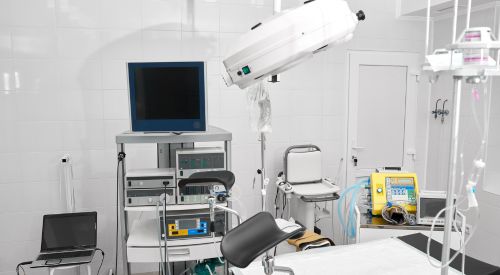
One of the most significant innovations in cervical cancer detection is colposcopy. This procedure uses a high-magnification imaging device (colposcope) to examine the cervix in detail and guide biopsies when necessary. New AI-powered colposcopes are enhancing diagnostic accuracy, allowing doctors to detect abnormalities with even greater precision. In fact, AI-assisted cervical screening is expanding access to early detection, especially in remote and underserved areas.
⚡ Technology-Driven Therapies for Precancerous Lesions
Once precancerous lesions are identified, several medical technologies help remove or destroy abnormal cells before they progress into cancer. Cryotherapy uses freezing to eliminate abnormal tissue, while LEEP (Loop Electrosurgical Excision Procedure) removes affected areas using an electrically heated wire loop through minimally invasive procedures.
A promising advancement is Thermal Ablation Therapy, which uses high heat to destroy precancerous cervical cells. This technique is quick, minimally invasive, and highly effective, making it a valuable tool for treatment, especially in low-resource settings. Additionally, Conization, a surgical method guided by colposcopy, helps remove a portion of the cervix containing abnormal cells when needed. With these advancements, cervical precancerous lesions can now be treated with greater efficiency and fewer complications.
💙 Prevention Saves Lives: Take Action Today!
Preventing cervical cancer is not just about treatment—it’s about proactive steps to reduce risk. The HPV vaccine is one of the most powerful tools available, significantly lowering the chances of developing cervical cancer. Regular screening through Pap smears and HPV tests ensures early detection, while quitting smoking helps strengthen the immune system’s ability to fight infections.
Cervical cancer is preventable! With advanced screening tools and improved treatment technologies, we have the power to stop it before it starts. If you or someone you love is due for screening, book an appointment today. Medical technology is here to protect us—let’s use it and spread awareness! 💙
Shan Vilakath
Technical Consultant
LogicMax Technologies Pvt. Ltd.